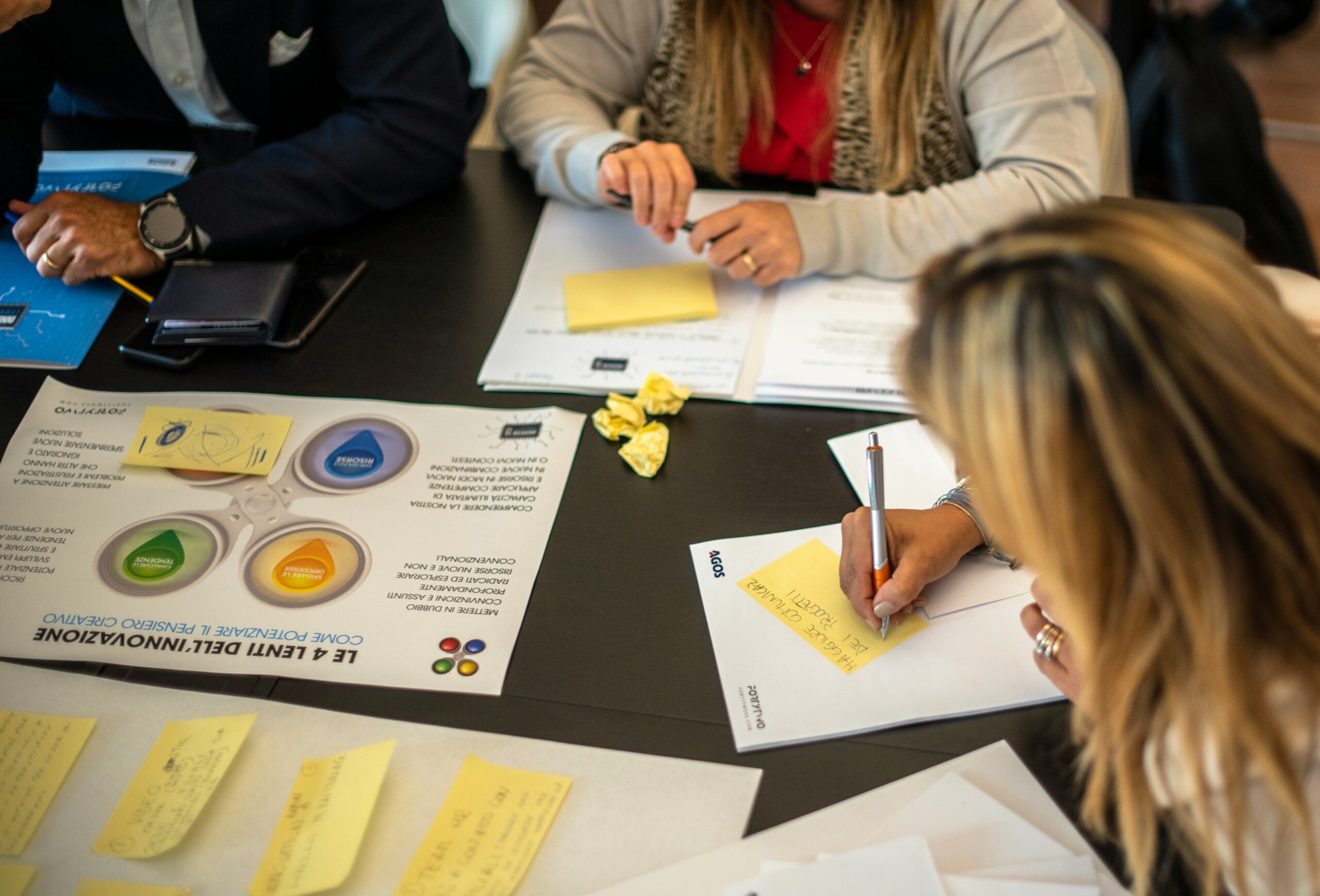
Mastering strategic project management best practices is essential for organizations that want to achieve high-impact results consistently, since strong strategy guides every stage of a project from planning to execution. When teams understand how to connect their work to long-term goals, performance improves, and outcomes become more predictable. Because today’s workplaces demand agility, teamwork, and focus, strategic project management creates the structure needed to support efficiency and innovation. With the right practices, teams gain confidence, reduce risk, and deliver results that strengthen the organization’s future.
Establishing Clear Project Objectives
Strong objectives anchor every successful project by defining the purpose and direction for the entire team. When leaders set goals that connect to business strategy, teams understand how their work contributes to long-term success. This clarity creates motivation, helps reduce confusion, and encourages stronger communication throughout the project. As teams embrace a shared purpose, they begin approaching tasks with more focus and discipline.
Clear objectives also support more effective planning, since well-defined targets make it easier to outline steps and identify priorities. Teams can evaluate their progress with greater accuracy and adjust their approach as new information appears. Because expectations are clearly stated, decisions move faster and momentum increases. Through strategic project management best practices, organizations create a roadmap that teams follow with confidence and purpose.
Building Strong Communication Channels
Communication remains one of the most important elements of effective project management because it keeps teams aligned and informed. When leaders establish clear communication channels early, teams know where to ask questions, share updates, and address concerns. This structure prevents misunderstandings that can delay progress. As conversations become more transparent, collaboration improves, and problem-solving becomes easier.
Effective communication also strengthens accountability because everyone understands what is expected and when tasks must be completed. Teams can quickly identify roadblocks and share information with the right people at the right time. This responsiveness supports a smoother workflow and reduces operational stress. Through these practices, organizations build a culture that consistently delivers high-impact results.
Using Data to Guide Smarter Decisions
Data-driven decision-making is a core part of strategic project management best practices, since numbers and trends help teams understand what is working and what needs improvement. When leaders analyze performance indicators, timelines, and workload patterns, they gain insight that influences more effective choices. This clarity helps teams stay on track and avoid repeating mistakes that slow progress. As organizations rely more on data, decision-making becomes faster and more precise.
Using data also strengthens forecasting, as past performance highlights what teams can expect in upcoming project phases. When leaders see potential challenges early, they can adjust strategies before problems grow. This foresight helps protect resources and prevents unnecessary delays. As data becomes a trusted part of the workflow, projects begin to move with greater confidence and efficiency.
Enhancing Team Collaboration
Collaboration plays a major role in delivering high-impact results because teams rely on one another to complete tasks aligned with strategic goals. When leaders encourage open discussion and mutual support, team members feel valued and more willing to contribute creative ideas. This sense of unity leads to stronger project outcomes and improved morale. As collaboration strengthens, teams often discover new ways to solve problems and refine processes.
Strong collaboration also helps distribute workload evenly, since team members can identify who needs help and where resources should be shifted. This flexibility improves productivity and reduces burnout. When teams understand their roles clearly, they work together with more confidence and speed. Through these collaborative habits, organizations create an environment that supports ongoing success.
Managing Risk With a Proactive Approach
Effective risk management is essential for ensuring that projects stay on track, because challenges often arise when teams least expect them. When leaders assess risks early, they create strategies that reduce the impact of unexpected events. This preparation helps teams remain calm and focused even during stressful situations. As organizations prioritize risk management, they reinforce stability throughout the project lifecycle.
A proactive approach also supports better decision-making, since leaders can act quickly when signs of potential problems appear. Teams that understand risk factors are more prepared to adjust plans without disrupting progress. This adaptability leads to smoother execution and greater confidence. Through strong risk management practices, companies protect resources and improve their chances of achieving high-impact results.
Promoting Continuous Improvement
Continuous improvement fuels long-term success by encouraging teams to learn from every project. When leaders review outcomes and highlight areas of strength or weakness, they help teams refine their skills. This reflective process inspires innovation and builds confidence across the organization. As continuous improvement becomes part of the culture, performance rises naturally.
Improvement also strengthens strategic project management best practices by helping leaders adjust processes and tools for better efficiency. When teams embrace change and remain open to new ideas, they become more agile and effective. This mindset supports stronger planning, faster decision-making, and higher-quality results. As organizations commit to improvement, they gain a competitive advantage that grows with every project.
Aligning Projects With Long-Term Strategy
Strategic alignment ensures that every project supports the organization’s broader vision, helping teams stay focused on meaningful outcomes. When leaders review how each project fits into long-term goals, they make choices that strengthen the company’s direction. This alignment encourages smarter resource use and helps teams prioritize high-impact tasks. As alignment becomes standard practice, project success rates rise significantly.
Long-term alignment also supports innovation, as teams understand where the organization is headed and can propose ideas that drive future growth. This clarity inspires confidence and encourages stronger planning. Through consistent alignment, organizations create a unified direction that boosts productivity and results.