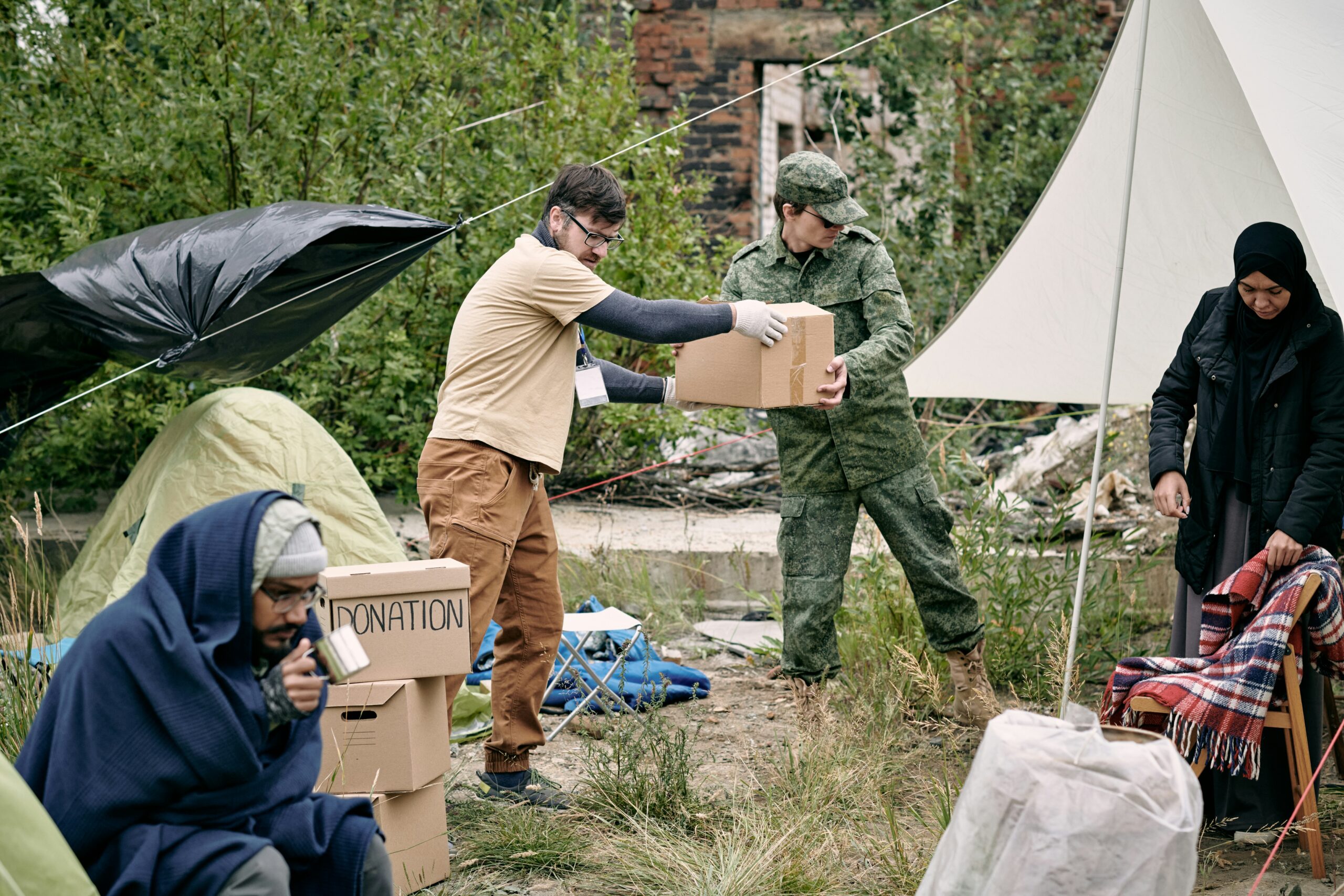
Humanitarian resource planning plays a central role in effective crisis response. It ensures that aid reaches people quickly and efficiently. In many emergencies, delays cost lives and worsen suffering. Therefore, strong planning systems must guide every action.
This process involves forecasting needs, allocating supplies, and coordinating teams. It also requires real-time decision-making under pressure. Moreover, organizations must align their plans with changing conditions on the ground. Without proper planning, even well-funded efforts can fail.
Effective humanitarian resource planning builds a structured response. It integrates logistics, communication, and leadership into a single system. As a result, responders can act with clarity and speed during critical moments.
The Role of Strategic Resource Allocation in Emergencies
Strategic resource allocation ensures that limited supplies reach the most urgent needs first. In crisis response, resources often fall short of demand. Therefore, decision-makers must prioritize carefully.
First, teams assess the severity of needs across affected areas. Then, they allocate food, water, shelter, and medical aid accordingly. This approach reduces waste and improves impact. In addition, it supports fairness in distribution.
However, resource allocation must remain flexible. Situations change quickly during disasters. Therefore, planners must update decisions based on new data. This dynamic approach strengthens outcomes in humanitarian resource planning.
Building Efficient Disaster Relief Logistics Systems
Disaster relief logistics form the backbone of crisis response operations. Without strong logistics, supplies cannot reach affected communities. Therefore, planners must design efficient supply chains before disasters occur.
A well-structured logistics system includes transportation, warehousing, and distribution networks. It also involves local partnerships that support last-mile delivery. Moreover, technology helps track shipments and monitor inventory levels.
Efficient logistics reduces delays and prevents bottlenecks. As a result, aid organizations can respond more quickly and effectively. Strong disaster relief logistics also support long-term recovery efforts.
Data-Driven Decision Making in Humanitarian Planning
Data-driven decision-making improves accuracy in humanitarian resource planning. Reliable data helps teams understand needs, risks, and available resources. Therefore, planners must invest in strong data systems.
For example, satellite data can quickly identify affected areas. Meanwhile, field reports provide real-time insights into local conditions. Together, these data sources guide better decisions.
Additionally, predictive analytics can forecast future needs. This allows organizations to prepare before crises escalate. As a result, data-driven planning enhances both speed and precision in response efforts.
Coordination and Collaboration Across Agencies
Coordination among agencies is essential for effective crisis response planning. Many organizations operate in the same disaster zones. Without coordination, efforts can overlap or conflict.
Therefore, clear communication channels must exist between stakeholders. These include governments, NGOs, and local communities. Shared goals and defined roles improve efficiency.
Collaboration also strengthens resource sharing. For example, agencies can pool supplies and expertise. This approach reduces duplication and maximizes impact. Strong coordination supports a unified humanitarian response.
Workforce Planning and Capacity Building
Human resources are just as important as physical supplies. Skilled teams drive successful humanitarian resource planning. Therefore, organizations must invest in workforce planning and training.
First, they must identify the required skills for different crisis scenarios. Then, they should train staff and volunteers accordingly. This preparation ensures readiness during emergencies.
Capacity building also strengthens local response systems. Local teams understand community needs better. As a result, they can deliver more effective and culturally appropriate aid.
Risk Management and Contingency Planning
Risk management plays a key role in crisis response planning. Emergencies often involve unpredictable conditions. Therefore, planners must prepare for multiple scenarios.
Contingency planning helps organizations respond to unexpected challenges. For example, supply routes may become blocked. In such cases, backup plans ensure continuity.
Moreover, risk assessments identify potential threats early. This allows teams to take preventive action. As a result, humanitarian resource planning becomes more resilient and adaptable.
Technology Integration in Humanitarian Resource Planning
Technology has transformed modern humanitarian operations. It enhances communication, data analysis, and logistics management. Therefore, integrating technology is essential for effective planning.
Digital platforms enable real-time coordination between teams. Meanwhile, mobile tools support field data collection. These technologies improve accuracy and speed.
Additionally, automation reduces manual errors in supply tracking. As a result, organizations can focus on strategic decisions. Technology integration strengthens every aspect of crisis response.
Community Engagement in Crisis Response Planning
Community engagement improves the success of humanitarian efforts. Local populations understand their needs better than external responders. Therefore, planners must involve communities in decision-making.
Engaging communities builds trust and improves cooperation. It also ensures that aid aligns with cultural and social contexts. This approach increases acceptance and effectiveness.
Furthermore, community feedback helps refine response strategies. Continuous engagement leads to better outcomes over time. Humanitarian resource planning becomes more inclusive and impactful.
Monitoring, Evaluation, and Continuous Improvement
Monitoring and evaluation ensure that humanitarian efforts remain effective. Organizations must track progress and measure results. This process identifies strengths and weaknesses.
Regular evaluation supports continuous improvement. Teams can adjust strategies based on performance data. This leads to better resource use and stronger outcomes.
Additionally, lessons learned from past crises inform future planning. Organizations build knowledge over time. As a result, humanitarian resource planning evolves and improves.
Practical humanitarian resource planning is essential for successful crisis response. It connects strategy, logistics, data, and people into one system. Each component plays a vital role in delivering effective aid.
Moreover, strong planning improves speed, accuracy, and coordination. It ensures that resources reach those who need them most. Therefore, organizations must invest in planning systems and capabilities.
As global crises continue to rise, the need for effective planning grows. By adopting modern tools and strategies, responders can improve outcomes. Ultimately, humanitarian resource planning saves lives and supports recovery.